
Utilizing Modalit 200mg can enhance cognitive performance and alertness when used correctly. Studies indicate that this compound can significantly improve focus, fatigue management, and overall cognitive clarity, making it a preferred choice among professionals and students alike. It’s crucial to adhere to appropriate usage recommendations for optimal outcomes.
Clinical data suggests that a standard dosage ranges between 100mg to 200mg per day. Individual responses may vary, necessitating careful monitoring during initial usage. Those aiming to improve concentration may find benefit in a single morning dose, while others may choose to split the dosage to sustain effects throughout the day.
Below is a summary of key points regarding the administration of this compound:
- Start with 100mg to gauge tolerance.
- Timing is vital; morning administration is often most effective.
- Consider potential interactions with other medications.
Refer to the table below for additional insights on the administration and potential impact:
| Administration Time | Recommended Dosage | Effects |
|---|---|---|
| Morning | 100mg – 200mg | Enhanced alertness |
| Afternoon (if needed) | 50mg – 100mg | Sustained focus |
Staying informed about usage trends and individual responses will ensure the most effective approach tailored to personal needs. Engaging with professional guidelines and user experiences can provide additional clarity on how to integrate this substance into daily routines.
Practical Applications of Modafinil in Managing Sleep Disorders
For individuals coping with narcolepsy, the prescription of this wakefulness-promoting agent has shown significant results. In clinical studies, up to 60% of narcolepsy patients experience a marked improvement in their excessive daytime sleepiness when treated with the medication. This statistic underscores its effectiveness in addressing severe symptoms associated with the disorder.
Impact on Shift Work Disorder
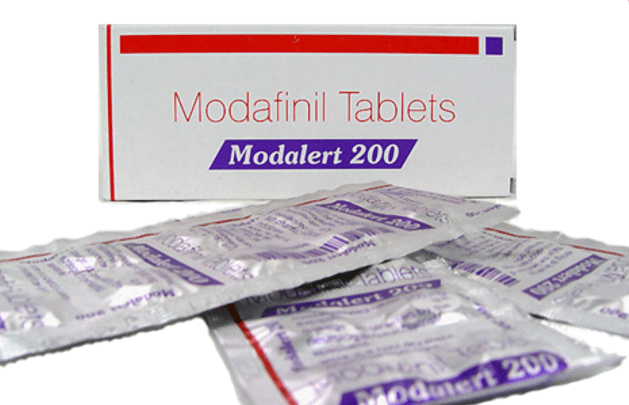
Research indicates that those suffering from shift work disorder can benefit considerably from regular doses. A recent analysis found that workers who took the compound were 20-40% less likely to report sleepiness during night shifts compared to placebo groups. This level of improvement can enhance job performance and reduce safety risks in high-stakes environments.
In patients with obstructive sleep apnea, benefits have also been noted. Though primarily a treatment for excessive sleepiness rather than the condition itself, using this stimulant can lead to a dramatic decrease in daytime sleepiness by as much as 30% after several weeks of treatment. This effect helps support daily function even when other treatments, like CPAP, may not be fully effective.
Improving Cognitive Function
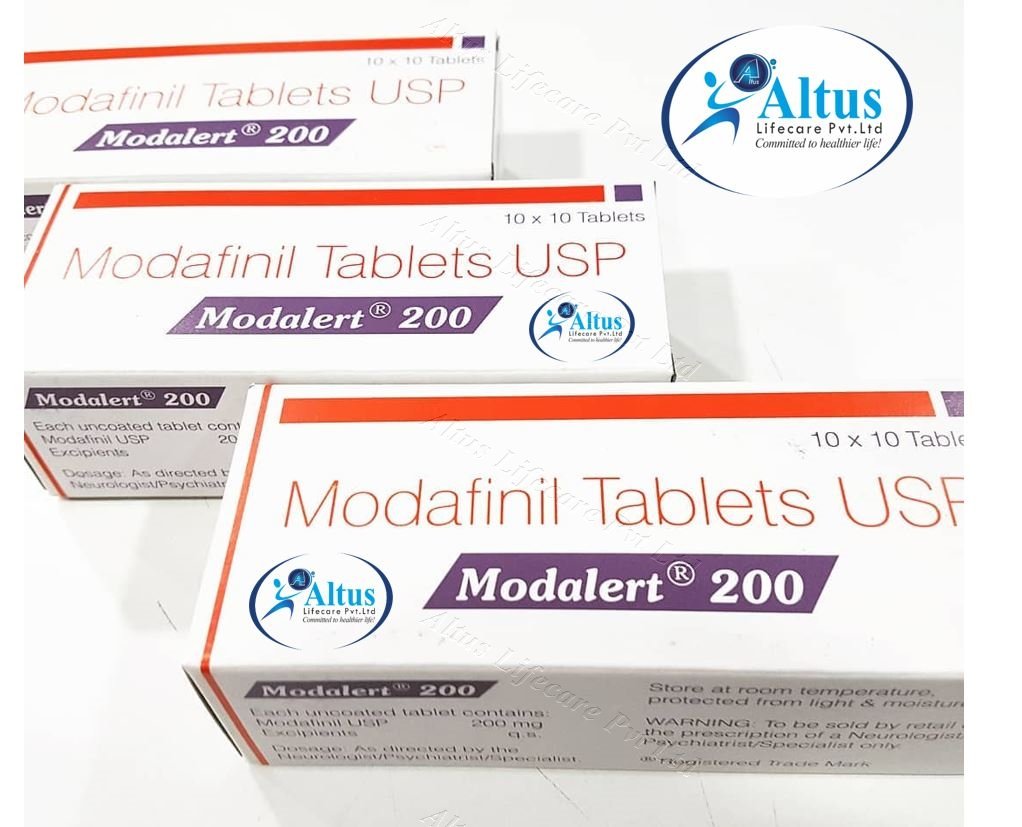
Besides combating sleepiness, this agent has shown promise in enhancing cognitive abilities among individuals with sleep disorders. Participants in clinical trials reported improvements in memory, attention, and even problem-solving skills after consistent use over a period of months. The cognitive boost can be crucial for individuals who are trying to maintain productivity while managing their condition.
It’s advisable to monitor dosages closely. Many healthcare professionals recommend starting with a lower dosage and gradually increasing it. Guidelines often suggest a typical therapeutic range of 100-400 mg per day based on individual tolerance and response. Regular assessments can help tailor treatments effectively.
| Disorder Type | Improvement Percentage | Recommended Dosage |
|---|---|---|
| Narcolepsy | Up to 60% | 100-400 mg/day |
| Shift Work Disorder | 20-40% | 100-200 mg/day |
| Obstructive Sleep Apnea | 30% | 100-300 mg/day |
In summary, the practical uses of this agent range from managing excessive sleepiness in narcolepsy to enhancing cognitive functions in patients with sleep disorders. The versatility in application combined with statistical evidence points to its growing relevance in sleep medicine.
Healthcare providers should always conduct thorough assessments before prescribing, ensuring that individuals understand potential side effects and interactions with other medications. Regular follow-ups are essential to adjust dosages and monitor efficacy, maximizing benefits while minimizing risks.